
When a Small Disagreement Becomes a Big Fight
It starts with something small.
A forgotten message.
A misunderstood comment.
A different opinion about plans, money, family or responsibilities.
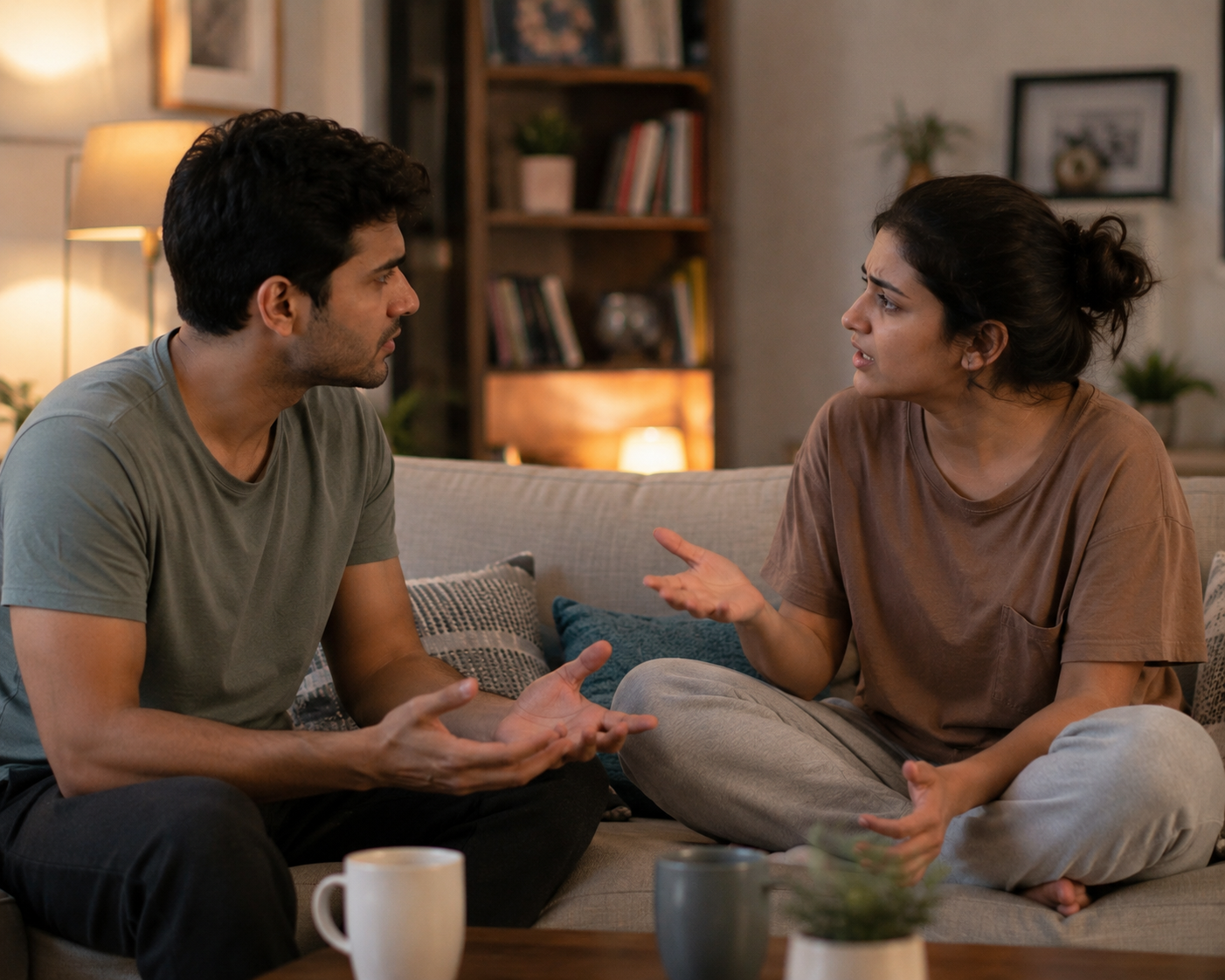
And suddenly, you’re not talking about that thing anymore.
You’re defending yourself. They’re defending themselves. Someone raises their voice. Someone shuts down. Someone brings up something that happened six months ago.
And somewhere along the way, the conversation stops being about solving the problem and starts becoming about protecting yourself.
Conflict is a normal part of relationships. Two people can love each other deeply and still disagree, misunderstand each other or have very different needs.
The problem isn’t necessarily that couples fight.
It’s what happens when they fight.
Some couples attack.
Some withdraw.
Some avoid difficult conversations altogether.
Some keep arguing until one person gives in.
And some repeatedly have the same fight without ever understanding what’s underneath it.
Couples: How to Fight Well is a psychology-informed workshop about understanding conflict patterns and learning ways to communicate through disagreement without unnecessarily damaging the relationship.
This isn’t about teaching you how to win an argument.
It’s about learning how to stay connected while you’re in one.
Is this workshop for you?
This workshop may be helpful if you…
✓ Have the same arguments repeatedly without reaching a resolution.
✓ Feel like disagreements escalate much faster than you expect.
✓ Struggle to communicate what you actually need during conflict.
✓ Feel unheard or misunderstood by your partner.
✓ Become defensive when your partner raises an issue.
✓ Shut down, withdraw or avoid conversations when things become intense.
✓ Find yourself raising your voice or saying things you later regret.
✓ Bring up old arguments during new disagreements.
✓ Feel like one person always has to “win” the argument.
✓ Struggle to repair things after a fight.
✓ Avoid difficult conversations because you don’t want another argument.
✓ Want to understand your partner without automatically agreeing with them.
✓ Want disagreements to feel less destructive and more productive.
✓ Are single but want to understand healthier conflict patterns before or within future relationships.
Meet Your Facilitators

Akanksha Mehta
Founder, Mind Soul Bridge
Akanksha is a Counselling Psychology postgraduate (M.Sc, Christ University) with 600+ therapy sessions across EAP, private practice and relationship counselling. She works with individuals and couples around anxiety, stress, burnout, trauma and relationship concerns through an evidence-based, trauma-informed, integrative approach and has facilitated 100+ mental-wellbeing workshops in corporate and community settings.
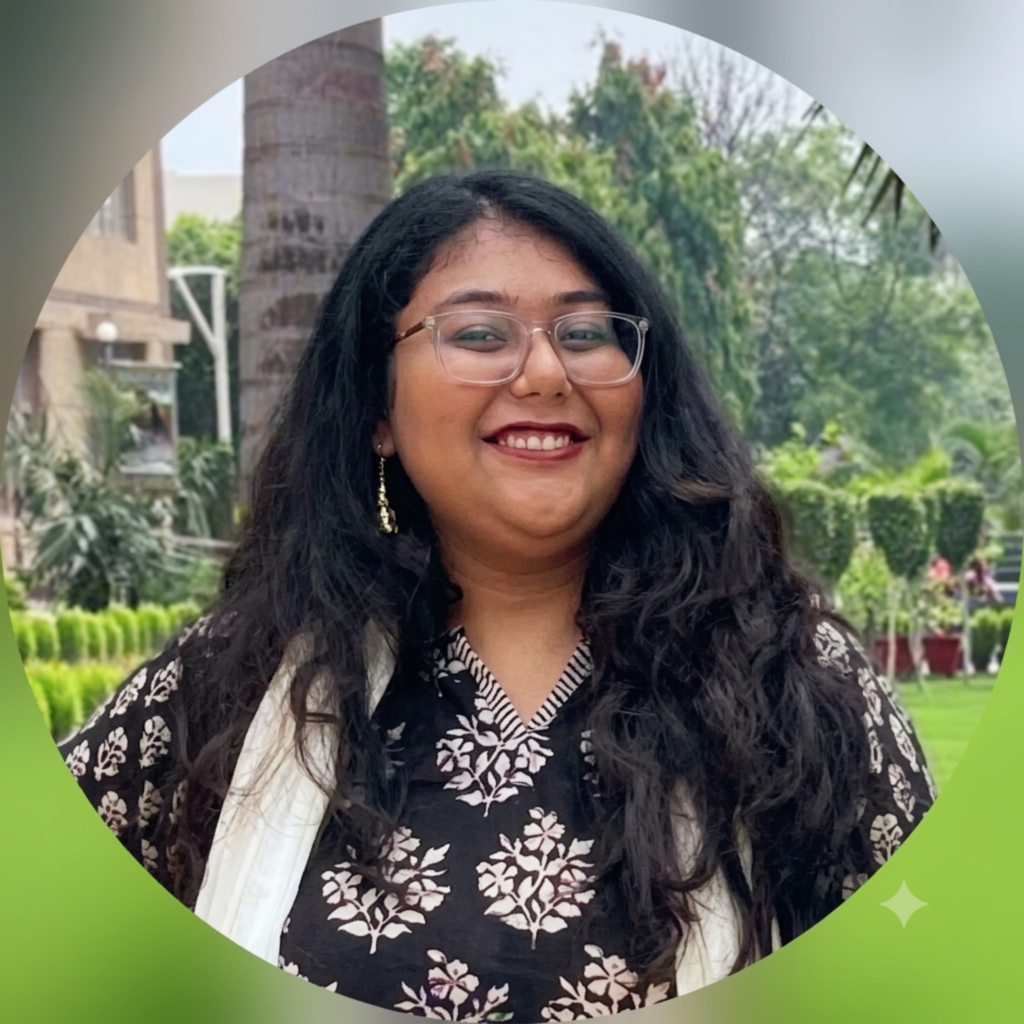
Riddhima Nigam
Founder, Bekhauf Panchi
Riddhima is a Counselling Psychologist and the founder of Bekhauf Panchi by Riddhima. She works with adolescents and adults around emotional overwhelm, stress, self-doubt, relationship concerns, identity and life transitions through a human-centred, trauma-informed and integrative approach. Her work focuses on creating emotionally safe, collaborative spaces that help individuals understand their experiences, reconnect with their strengths and values and develop greater clarity and self-trust. She also works with adolescents around developmental, emotional, academic and social challenges.
What you’ll learn?
Why Couples Fight
- Understand what sits underneath disagreements and why seemingly small issues can sometimes trigger much bigger emotional reactions.
The Conflict Cycle
- Recognise how criticism, defensiveness, withdrawal, escalation and other patterns can feed into each other and keep couples stuck.
What Happens When You Feel Unheard
- Explore how feeling dismissed, rejected, blamed or misunderstood can influence the way we respond during conflict.
Communicating Without Attacking or Shutting Down
- Learn ways to express concerns, needs and emotions without turning the conversation into blame, defensiveness or avoidance.
Repairing After a Fight
- Understand why what happens after conflict matters and explore ways to reconnect, repair and move forward after difficult conversations.
What you’ll take away?
A Conflict Cycle Map
- Identify the patterns that tend to emerge between you and your partner when disagreements escalate.
A Trigger & Reaction Check-In
- Notice what happens internally when you feel criticised, ignored, rejected, blamed or misunderstood.
Healthier Communication Prompts
- Take away practical prompts for expressing concerns and needs more clearly during difficult conversations.
An Escalation Awareness Tool
- Learn to recognise when a conversation is moving from productive disagreement into emotional escalation.
Repair & Reconnection Tools
- Explore simple ways to return to a conversation after things have become difficult and begin repairing the sense of disconnection.
Lifetime Resources
- Resources to support your learning beyond the workshop
What happens during the 90 minutes?
1- Understand: Interactive teaching
- Explore why conflict happens and why relationships can make disagreements feel particularly emotionally charged.
2- Notice: Guided self-reflection
- Identify your own patterns during conflict whether you tend to attack, defend, withdraw, avoid, pursue or shut down.
3- Decode: Understand the cycle
- Look at how one person’s reaction can trigger another person’s reaction and create a repeating conflict loop.
4- Practise: Communication tools
- Explore practical ways to express concerns, listen, pause and communicate needs during difficult conversations.
5- Ask: Live Q&A
- Ask questions during and after the session.
Why this workshop is different?
Because “Just Communicate Better” Isn’t Enough.
This workshop is…
Not About Winning Arguments
The goal isn’t to prove that you’re right. It’s to understand the pattern and find ways to navigate disagreement without unnecessarily hurting each other.
Not About Blaming One Partner
Conflict is often relational. We look at the cycle between people rather than simply deciding who is “the problem.”
Not About Never Fighting
Healthy relationships can still involve disagreement. The focus is on how conflict is handled, not on eliminating conflict altogether.
Beyond “Use I Statements”
Communication tools can help, but understanding the emotional pattern underneath the conversation matters too.
Psychology-Informed
We’ll explore emotional triggers, conflict patterns, communication, defensiveness, withdrawal, needs and repair through a counselling psychology lens.
Practical & Reflective
You’ll have opportunities to understand your own patterns and practise ways of approaching difficult conversations differently.
Compassionate, Not Prescriptive
There isn’t one perfect way for every couple to communicate. The workshop gives you frameworks to reflect on rather than prescribing a single relationship formula.
Frequently asked questions.
Do I need prior therapy experience?
- No. These sessions are for everyone, whether or not you’ve ever spoken to a therapist.
Will I have to share personal experiences?
- Never. Participation in discussion is always optional. You’re welcome to simply listen and participate privately.
Will the session be recorded?
- Yes. Recording will be available for a week after the workshop.
Can I ask questions?
- Yes. There will be a live Q&A, and you can ask questions through the chat.
Will I receive resources afterward?
- Yes. Worksheets and a recommended resource list will be shared on WhatsApp after the session.
Can beginners attend?
- Absolutely. No background in psychology is needed.
Is there an age requirement?
- Yes. This workshop is for couples and individuals aged 18 and above.
How do I get the joining link?
- Your Google Meet link and reminders will be sent to you on WhatsApp after you register.
Important Information
Before you register
- This is a psychoeducational workshop. It is not a substitute for psychotherapy or crisis support.
- Participation in discussion is always optional.
- You do not have to disclose anything personal during the session.
- Please join from a quiet, private space where possible.
- Worksheets and resources will be shared on WhatsApp after the session.
- Refund/cancellation policy:
We understand that plans can change. If you need to cancel your registration, you may request a full refund up to 24 hours before the workshop begins.
For cancellations made less than 24 hours before the workshop, or after the workshop has started, no refund will be provided.
To request a refund, please contact us at least 24 hours before the scheduled start time of the workshop.
If you are in distress or crisis, you can contact:
- Tele-MANAS: 1800-89-14416 | 14416
- iCall (TISS): 9152987821